You start a diet and after the first few weeks you notice great results. You've lost those extra pounds! Well, you're tired of eating the same boring meals over and over again, and the stress at work isn't helping you much either... You end up with a sheet of cake and pizza over the weekend. A few such mistakes and your infamous weight is knocking on your door again. I guess every one of us is familiar with the yo-yo effect. What can it do to your body and how can you finally avoid it?
The yo-yo effect affects men and women , young and old. And unfortunately, the yo-yo effect is not just about belly fat, it also threatens your health . It doesn't matter what diet you follow, the numbers say the same thing. Diets don't work . Not in the long term. Sure, you can lose weight on a diet, but in a year or two, your weight is back and you're left wondering why the yo-yo effect chose you.
The term yo-yo effect was defined by clinical psychologist and professor Kelly David Brownell at Yale University. It is a process where a person manages to lose weight, but the weight does not keep off for a long time and after a while the pounds start to come back. It is a vicious cycle where you first lose weight, after a while you start to gain weight again, then lose weight again and so on and so on.
The negative consequences of the yo-yo effect include:
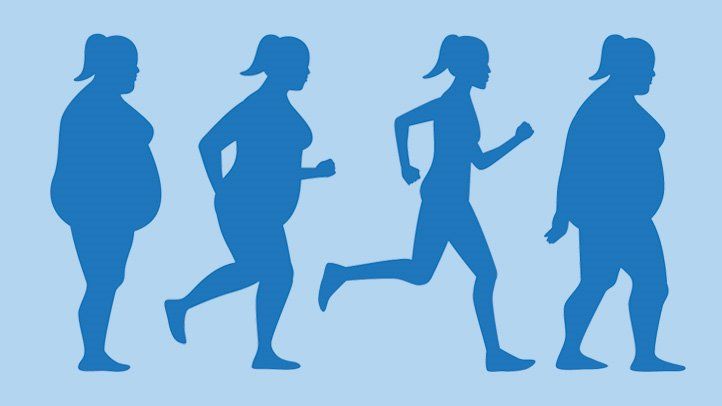
We will explain this to you based on the individual health problems that the yo-yo effect can cause you. It is a big shock for the body if you lose weight in a short time and within a year it is back, often with an increase. Read all 6 possible negative effects of the yo-yo effect.
The desired result will appear, but it will not last long. But why is that?
Fat cells produce a hormone called leptin , which communicates with the brain and sends signals that the body has enough stores, and the brain interprets this as a feeling of fullness . If you lose weight, you lose fat, and less fat means less leptin . And that's why we feel hungry when we diet.
Additionally, the body slows down all processes to conserve energy , which is why when you stop dieting, you have an excessive appetite but burn only a minimum of calories. This is partly why after a few cycles of yo-yo dieting, you can expect to weigh more than when you started the diet.
The main reason many diets fail is that they are not sustainable. People go on them because they promise quick results, but then they quickly fall back into their old, well-worn ways. The key is to make the changes you make healthy, sustainable, and most importantly, fun. That means choosing a diet that is nutritionally balanced and full of foods that you enjoy . You shouldn't cut back too much on the amount of food you eat, because if you're constantly hungry, you'll be more likely to snack and eventually give up. If you have to eat less, then you can slowly reduce the amount of food you eat week by week , giving your body time to adjust.

Too many people try to change everything at once. Unfortunately, it takes a lot of effort and willpower, and people usually give up after a few weeks. Instead of cutting the amount of food you normally eat by half, try reducing it slowly. Make simple, small changes each week , and it will be much easier. For example, in week 1, you can drink at least 2 liters of water a day and stop drinking any flavored drinks. In week 2, you can replace processed refined flours, breads, and pastas with whole grain alternatives and aim to eat at least 5 servings of fruits and vegetables a day. Instead of completely changing your diet, try to see if there is a healthier way to prepare the food you already have in your diet . For example, you can bake your steaks instead of frying them, or add more vegetables to your favorite dish.
During the yo-yo effect , when you gain weight again, fat sticks to you faster than muscle. This causes the fat percentage to increase by up to twofold during the yo-yo effect.
The second problem is that while you are losing weight while dieting, you are not only losing fat, but also muscle. If you gain weight back after dieting, you will gain fat much more easily , which leads to more muscle loss over time. This goes hand in hand with a weakening of your physical fitness and strength. If you keep repeating this cycle of dieting and gaining weight , you will gain three times as many pounds, which will be all fat and minimal muscle.
That's why it's so important to exercise when losing weight. Appropriate strength training to strengthen muscles is an ideal choice in combination with cardio training. Exercise signals the body to support muscle growth , even though body fat is gradually being lost. It's also important to remember that during weight loss, the body's need for protein increases. That's why you should reach for quality sources of protein that can help you reduce muscle loss.

Just a few extra pounds can cause huge changes in your body. You'll be more susceptible to inflammation, which normally helps fight disease and infection, which can lead to heart damage and insulin resistance.
Constant weight changes are also associated with narrowing of the arteries . Weight gain, even more than being overweight, increases the risk of heart disease.
The increased risk of cardiovascular disease is directly related to weight fluctuations . The more pounds you lose and gain through yo-yoing, the greater your risk .
Large differences in weight over time doubled the likelihood of dying from heart disorders.
Each phase of weight loss and weight gain also affects hormones , specifically the stress hormone cortisol . Elevated cortisol levels promote fat storage around the belly , which increases the risk of diabetes and heart disease.
Belly fat is more commonly associated with diabetes than fat in the legs, hips, or arms. However, not all studies have shown a direct link between the yo-yo effect and diabetes.

Weight gain, including weight gain due to yo-yo dieting, leads to high blood pressure. What's worse, the yo-yo dieting effect can block the healthy effects of weight loss on blood pressure in the future.
A study of 66 adults found that those who had ever yo-yo-dieted had less success in stabilizing their blood pressure while losing weight. However, a long-term study suggests that this effect may wear off after 15 years , meaning that mindless dieting in youth may not have any impact on our health in middle age.
It can be very frustrating to see all your hard work and sacrifices go away after a diet and the only thing that hasn't left you is the yo-yo effect . The fact is, people who have experienced the yo-yo effect firsthand are, according to research, dissatisfied with their lives and health.
However, according to further research, the yo-yo effect is not associated with depression, self-harm or negative personality traits. So even if you have had problems with the yo-yo effect in the past, don't let it make you feel frustrated. You may have tried a few diets in the past that didn't work , but don't take it as your personal failure. It means it's time to stand up to the yo-yo effect and fight back.
If you cut out fats from your diet, then carbs, and then protein for a change, your body feels like it's on a roller coaster . The more extreme you go, the more problems you'll run into. If your diet isn't nutritionally rich , it won't provide you with all the nutrients you need, and that can lead to the aforementioned health problems and the yo-yo effect.
But experts disagree on what yo-yo dieting means for your long-term health. Some say it's nothing, others say it's a risk factor for everything from your bones to diabetes and cardiovascular disease. It's a complicated topic , but one thing is for sure. If you're stuck in the yo-yo dieting rut, something isn't working as it should, and it's time to find a healthy way to lose weight. How do you do that?
Diets work on rules set for a certain period of time. Usually, you have to stick to them until you manage to lose weight . Diets put you in a short-term mindset , and once you reach your goal, you have nowhere else to go. So the first question you need to ask yourself is why you decided to diet. Do you want to be healthier? Do you want to lose weight?
It's all about changing your diet and exercising regularly. Both of these conditions are a long-distance race, not a sprint , so your thinking and planning for change should be geared towards long-term goals and often a lifelong journey.

Set small, realistic goals that you can achieve. Instead of losing 3 kilos per week, set a goal of losing half a kilo per week . Plan out how you want to achieve it. Write down your meal plan and shop in advance. Start small and gradually add more goals. It's easier to stay motivated when you're ready to succeed.
We offer you a few well-established rules that emerged from a study of 120,000 adults who managed to lose weight and maintain it over the years.
As we said, it can be easier and without unpleasant consequences. Change your eating habits, start exercising and try to get rid of unhealthy habits. Not only will you gradually lose weight, but you will also look better, feel better, be stronger, more resilient and, of course, you will not have to worry about the yo-yo effect.
Avoid quick and radical diets or overeating. Just find a way that suits you and stick to it. You will see that you will feel better about yourself. And in the long run.
Sleep is a missing factor that many people forget about. However, sleep is just as important as the food you eat and the exercise you do . If you’re working out but not seeing results, it’s possible that you’re not getting enough sleep. Studies have shown that long-term sleep deprivation is linked to weight gain and poor health . This is because it affects our energy levels, hormones, stress, and motivation . Try to get 7-8 hours of sleep a night. Set a bedtime and don’t watch TV or use your phone in bed.

Yes, the point of the diet is to reduce kilograms by controlling your calorie intake and expenditure. This is very difficult at first, because you are constantly checking yourself, and yet you do not see any results. Even if you do everything right, your weight may fluctuate during the day, you will weigh less in the morning than after lunch. Your weight will also depend on your hydration status and many other factors. Do not panic . Remember that if you monitor your calorie intake too much, you will be under higher stress , which leads to increased levels of cortisol , which causes overeating .
Instead of watching every calorie, think about how a healthy diet and exercise are benefiting your health . You will have more energy and strength, so you should notice even the small positive effects of your new healthy lifestyle.
Everyone has setbacks from time to time. It's completely normal, especially when trying something new. If you have a day that doesn't go as planned, it doesn't matter. If you miss a workout every now and then, that's okay. It doesn't mean you should give up completely and go back to your old habits . If you have a day where you can't eat healthily, don't starve yourself the next day, but go back to your normal healthy lifestyle. If you miss a workout or even a few workouts, don't panic - get back into your routine as soon as you can. Focus on your positive results , like how much better you feel or any accomplishments you've already achieved.
It's not just about your strong will. Share your plans with those closest to you , who will definitely support you. You can also involve people from the online community and various apps or sites can also help you.
If you share your diet, recipes, and progress with your friends and acquaintances, you will be constantly motivated to improve . At the same time, you are less likely to get off track and give in to temptation .
If you stick to these principles, the yo-yo effect will most likely not catch up with you.

There's been a lot of talk about the yo-yo effect, but in addition to the true information, you can also find a lot of misleading information on the internet. So what should you believe and what should you not? First, let's recall the two most common myths about the yo-yo effect and then look at its true causes and consequences.
Just as there are myths about weight loss, there are also myths about the yo-yo effect. A very popular myth is that the yo-yo effect causes your metabolism to slow down.
If you don't have any health problems, such as digestive or thyroid problems, you don't need to worry about a slow metabolism. The yo-yo effect can occur after an inappropriately chosen diet, and then your metabolism can slow down a bit, but this case can only occur in exceptional cases. These are cases in which you would expose your body to extreme conditions for a long time, for example, you would limit your calorie intake, or add a lot of cardio to it.

You can often come across the claim that when you restrict your calorie intake, your body starts to defend itself. Everything you eat then starts to be stored as fat for later use. And even if this doesn't happen during the diet itself, the moment you eat something unhealthy again, it will immediately go to your belly, thighs, or other problem areas.
This is, fortunately, a lie. The body does not work that way. It has its needs in order to function, and depending on how much you push it, these needs increase or decrease. Of course, other factors such as gender, age, and the like also affect this.
The body works simply. Do you currently need more energy than you have supplied to your body through food? In that case, it reaches for its fat reserves. Do you give your body more energy than it currently needs? In that case, of course, the excess energy will be stored. It only uses as much energy as it needs.
The yo-yo effect is the result of inappropriate and rapid weight loss. By losing weight in a short period of time and then gaining weight again, the body is exposed to many health complications. What negative effects does it bring and how does it manifest itself?
Perhaps the most discussed symptom of the yo-yo effect is weight gain . But why do we actually gain weight? It's not just like that. The hormone leptin is responsible for this, which regulates energy homeostasis, or balance. It is produced by fat cells and has the task of communicating to the brain that the body has enough energy reserves.
Basically, this means that thanks to this hormone we know that we are full . And therefore, if we have less fat, we also have less leptin. That is why we are hungry so often during diets. Moreover, that is why we may have an excessive appetite after the diet is over.
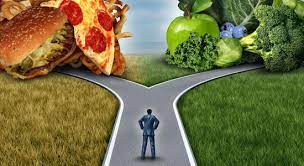
Many studies claim that with the yo-yo effect, the percentage of fat is stored twice as fast, especially in the abdominal area. That wouldn't be such a problem, but with improper weight loss, you lose not only fat, but also muscle. With the yo-yo effect, however, you subsequently gain fat again, much faster than muscle.
To avoid the yo-yo effect when losing weight, it is necessary to know what its causes are. Only then can you avoid it. What are they?
Our approach to weight loss is often flawed. We treat it as a one-time event, losing weight for special occasions, but as soon as possible, we return to our old lifestyle, the one that led to the weight gain. But this way, we don't keep the new weight off for long.
You can also check out exercises for women and men and start working on yourself: https://www.adi-pex.sk/cviky-na-chudnutie/
GymBeam - https://gymbeam.sk/blog/jojo-efekt-a-ako-s-nim-bojovat/ <
Fitshaker - https://fitshaker.sk/ako-zabranit-nezelanemu-joj-efektu-4-rady-od-fitness-trenerky <
Healthy recipe - https://www.zdravy-recept.sk/jojo-efekt~13001 <
Answers are generated by artificial intelligence from information on our website and may contain errors.