

Composition of ADI-PEX®
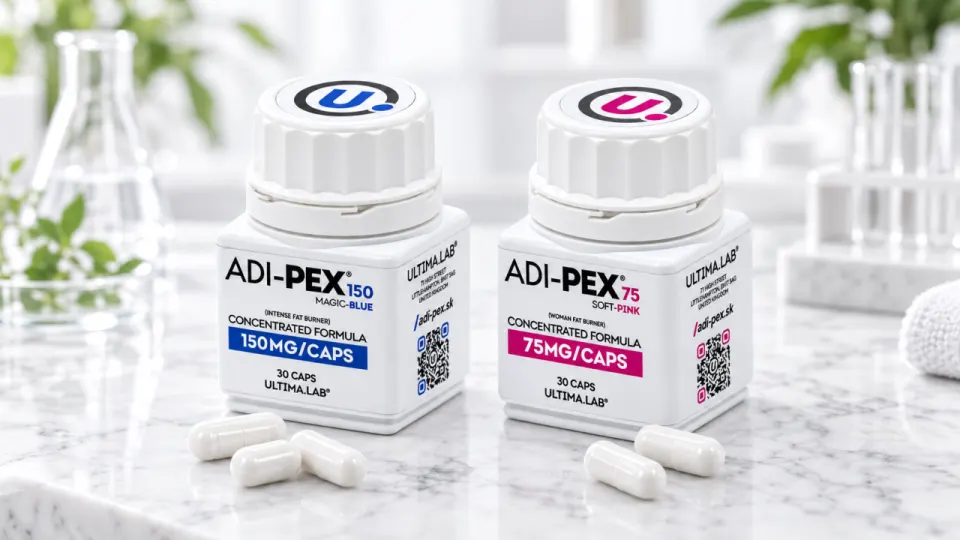
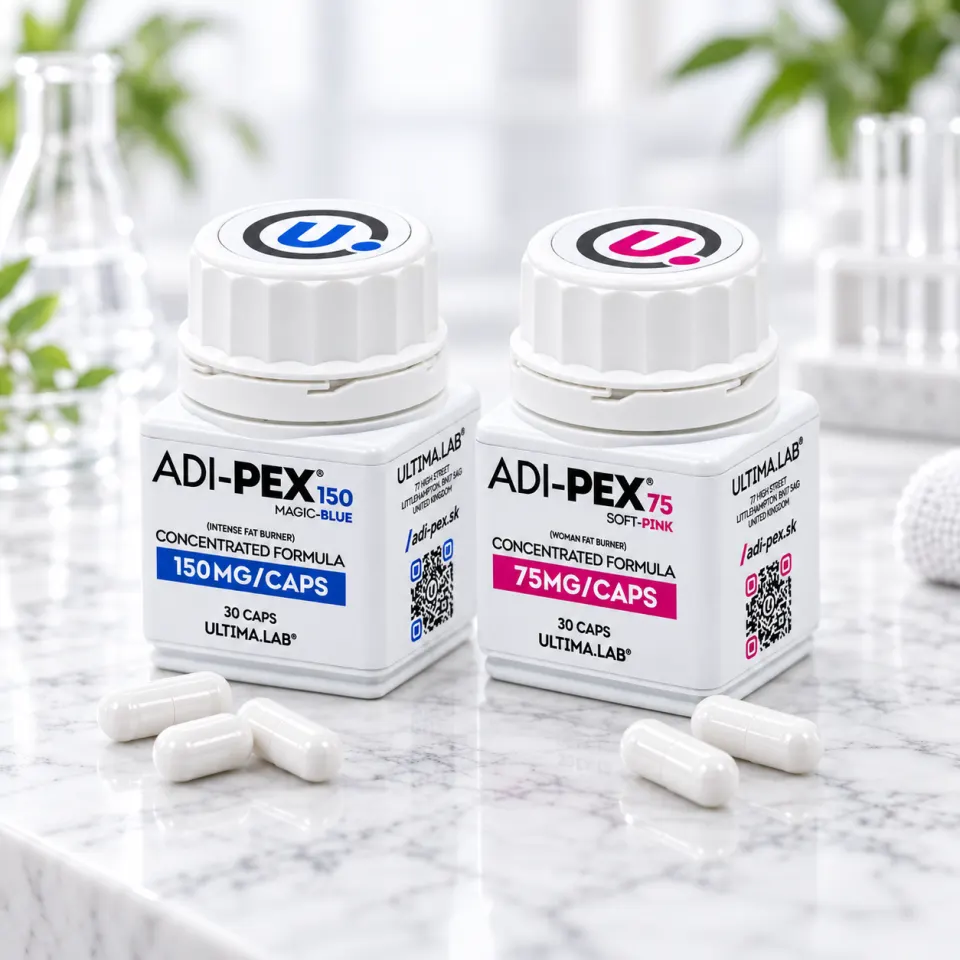
ADI-PEX® contains seven common active ingredients, and the 150 MAGIC-BLUE variant has two more. Both variants are based on the same base — L-carnitine, caffeine anhydrous, green tea extract, chromium picolinate, black pepper extract, capsicum extract, and niacin. The only difference in composition is synephrine and tribulus terrestris, which you will only find in the stronger variant.
Overview of the composition of both variants
| Active ingredient | 150 MAGIC-BLUE | 75 SOFT-PINK |
|---|---|---|
| L-carnitine | yes | yes |
| Caffeine anhydrous | yes | yes |
| Green tea extract | yes | yes |
| Chromium picolinate | yes | yes |
| Black pepper extract | yes | yes |
| Paprika extract | yes | yes |
| Niacin (vitamin B3) | yes | yes |
| Synephrine | yes | no |
| Tribulus terrestris | yes | no |
| Total weight of the mixture in the capsule | 150 mg | 75 mg |
| Number of capsules per pack | 30 | 30 |
What do individual substances do?
Chromium picolinate
Chromium contributes to normal macronutrient metabolism and to the maintenance of normal blood glucose levels . These are the only two claims for chromium approved by European legislation and are valid at a dose of at least 40 µg per day. Picolinate is the form used in supplements for better absorption than inorganic chromium salts.
Niacin (vitamin B3)
Niacin contributes to normal energy-yielding metabolism , the reduction of fatigue and exhaustion , and the normal function of the nervous system . Again, these are approved claims valid at a dose of at least 1.6 mg per day.
Caffeine anhydrous
Caffeine anhydrous is caffeine with the water removed — a more concentrated and more precisely doseable form than caffeine from coffee. There are approved claims for caffeine for alertness and concentration, but they only apply at 75 mg per serving.
To give you an idea: a regular espresso has around 60–80 mg of caffeine, a cup of filtered coffee 90–120 mg. The European Food Safety Authority considers a safe daily dose of up to 400 mg of caffeine for a healthy adult and up to 200 mg at a time. This balance includes everything — coffee, tea, energy drinks and supplements.
L-carnitine
L-carnitine is a substance produced by the body from the amino acids lysine and methionine, which is involved in the transport of long-chain fatty acids into the mitochondria in cells. European legislation has not approved any health claims for L-carnitine, so we describe it here only factually — as a substance that is part of energy metabolism.
Green tea extract
Green tea contains catechins, especially epigallocatechin gallate (EGCG), and of course caffeine. There are no health claims approved for green tea in the EU related to body weight.
Synephrine
Synephrine is an alkaloid from bitter orange ( Citrus aurantium ), structurally related to ephedrine, but with a significantly weaker effect. No health claim is approved for it in the EU. It is one of the two substances that distinguish the stronger variant, and the reason why we recommend 150 MAGIC-BLUE only after you know how the milder version affects you.
Tribulus terrestris
Ground anchor, a plant used in traditional medicine. No health claim is approved for it in the EU.
Black pepper extract and paprika extract
Black pepper is a source of piperine, and chili peppers are a source of capsaicin. Both are common plant extracts in supplements. Neither has a health claim approved in the EU.
Why we don't say anything about some substances
In the European Union, only health claims from the list approved by Regulation (EC) No. 1924/2006 may be used for food supplements, in their exact wording and with respect to the minimum quantity of the substance. Such claims exist for chromium, niacin and caffeine. They are not approved for L-carnitine, green tea, synephrine, tribulus terrestris, piperine or capsaicin — and therefore we do not write about them anything that we cannot substantiate.
Next: How to take ADI-PEX® · Which variant to choose · How it is made
ADI-PEX ® is a dietary supplement, not a medicine. It does not replace a varied and balanced diet or a healthy lifestyle. Do not exceed the recommended daily dose. It is not intended for children, pregnant or breastfeeding women. If you are taking medication or have a medical condition, consult your doctor or pharmacist first.